
From a first version to a product with subscriptions, widgets and offline mode.

iOS
Always
Always
Always
at hand
at hand
at hand
iPhone · iPad

Apps for iPhone and iPad

We design, build and publish to the App Store. One team — from idea to updates after release.

From $ 5000
0

1

Widgets and Live Activities: the essentials without opening the app

0

2

0

2

Offline mode and sync once the connection is back

0

3

0

3

Subscriptions and purchases through the App Store with a free trial

0

4

0

4

Notifications about order status, reminders and events

0

5

0

5

Photos of receipts and documents right from the app, export to PDF

0

6

0

6

Start on iPhone — continue on Mac or in the browser

0

1

  • For an online store
  • Customer account
  • Subscription service
  • Tool for the team
  • iPad version
  • Widgets

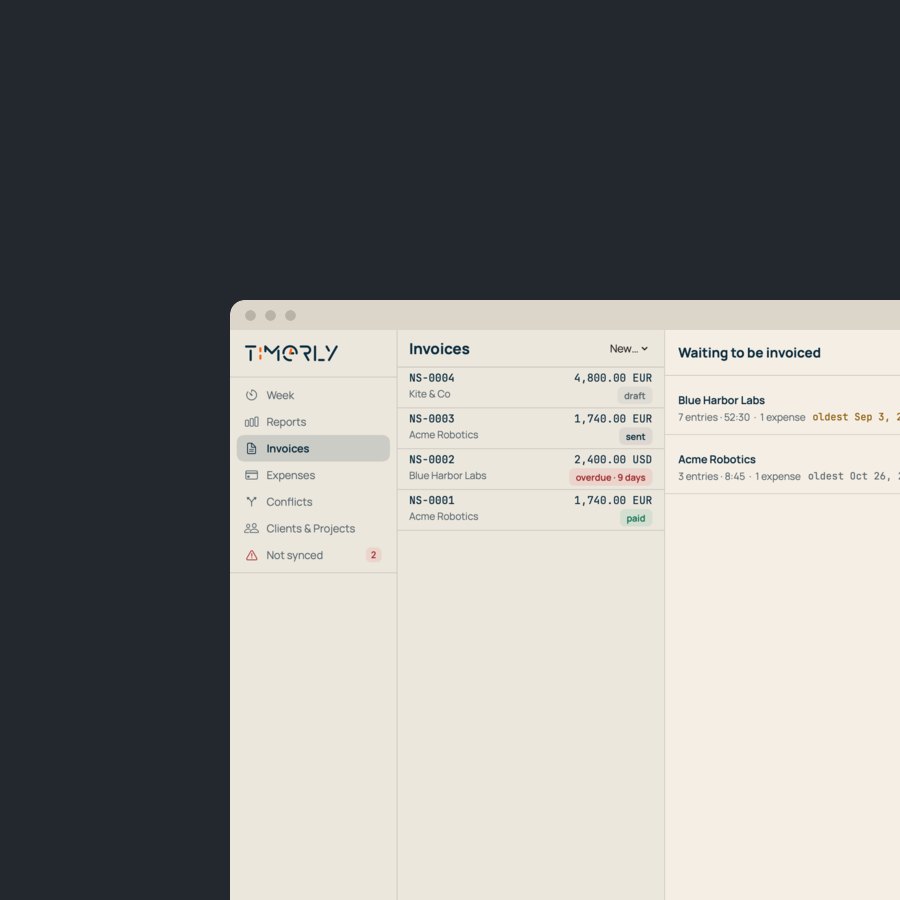
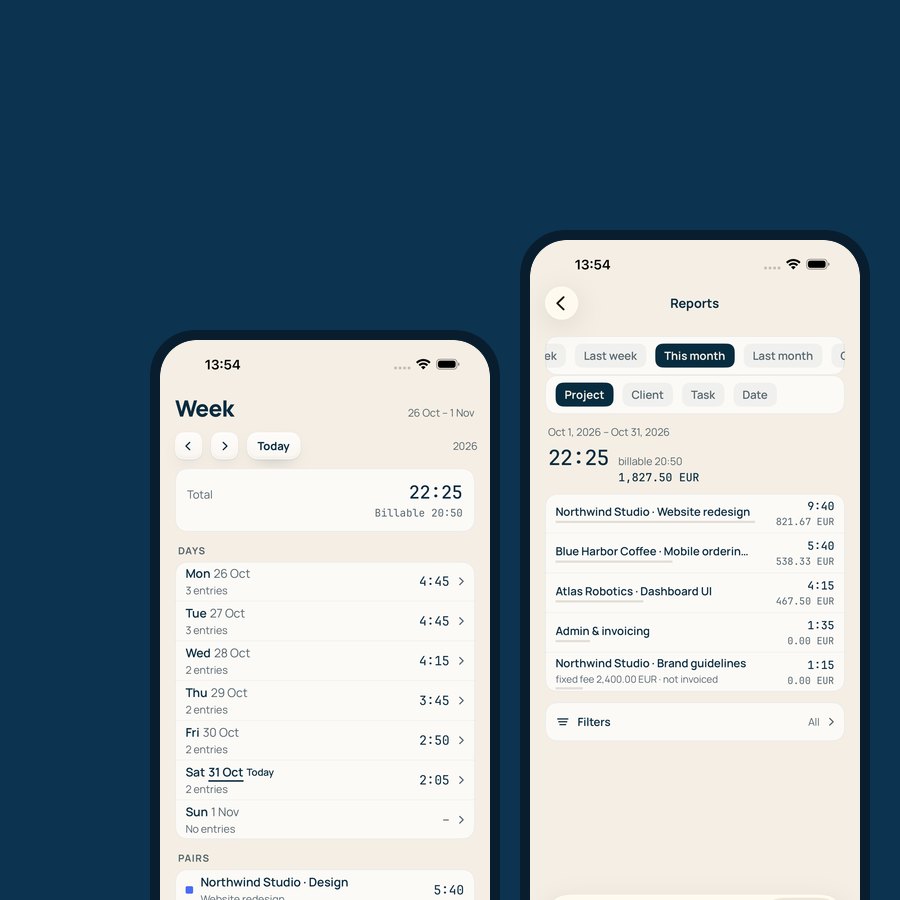
Timerly is time tracking and invoicing for Mac, iPhone and the web. It works offline and syncs once the connection is back.

Everything we offer clients, we went through ourselves first.

Launching
our own
product
Timerly

A menu bar timer on Mac, Live Activity and Dynamic Island, widgets, subscriptions and PDF invoices.

Currently in Apple review.

We take the App Store release on

Apple's review is a stage of its own, with its own rules. We help register a developer account in your company's name and prepare the description, screenshots and privacy answers.

We set up certificates, signing and test builds, and handle correspondence with the review team and resubmissions when there are remarks. The final decision on publication is Apple's.

Questions about iOS development
How is an app better than a mobile website?

An app is more convenient for everyday use: it works offline, sends notifications and has access to the device — camera, widgets, Lock Screen. A website is easier to find the first time. So they usually complement each other: the website brings the customer in, the app keeps them.

Do we need a separate iPad version?

Not always. An iPhone app also runs on iPad, but a proper interface for the large screen is designed separately. We decide during discovery, based on where your users will work.

How do subscriptions and in-app purchases work?

Digital goods and subscriptions are paid through the App Store, and Apple takes a commission. Physical goods and services can be paid for the usual ways, including Apple Pay. We will help you choose a model that fits the App Store rules.

Which iOS versions do you support?

Usually the current and the previous one: this way the app covers most active devices and can use modern system features. If your audience uses older devices, we take that into account at the start.

How long does Apple's review take?

Usually from one to a few days, but Apple gives no guarantees. We build time for review and possible remarks into the release plan.

Can the app be updated after release?

Yes. Updates go through the same Apple review as the first version. We plan releases so that new features ship regularly.

How much does app development cost?

The cost depends on the number of screens and scenarios, design complexity, integrations and the number of platforms. After a brief we prepare an estimate broken down by stage, so you can see what the total is made of.

How long does it take?

The timeline is set by the scope of the first version. We suggest starting with a narrow feature set, shipping the app and growing it from there: users get the product sooner, and decisions about the next features rest on real usage.

Whose name is the developer account in?

Your company's. The app is published under your name and access to the account stays with you. We help you enrol in the Apple Developer Program and work as invited team members.

Who owns the code?

You do. Rights to the code and design are transferred under the contract.

What happens if Apple rejects the app?

Remarks from the review team are a normal part of the process. We work out the reason, make the changes and resubmit. The final decision on publication is Apple's.